

Tips for Catching Deep Walleyes and Sunfish at 21-24 ft and 12-14 ft
- Kenny Neumann
- Jul 8
- 5 min read

Fishing for walleyes and sunfish can be a rewarding challenge, especially when these fish move to deeper waters. Right now, walleyes are holding deep between 21 and 24 feet, while sunfish prefer slightly shallower depths of 12 to 14 feet. Understanding how to target these depths effectively can improve your catch rate and make your fishing trips more successful. This post shares practical tips and techniques to help you catch walleyes and sunfish in these specific depth ranges.
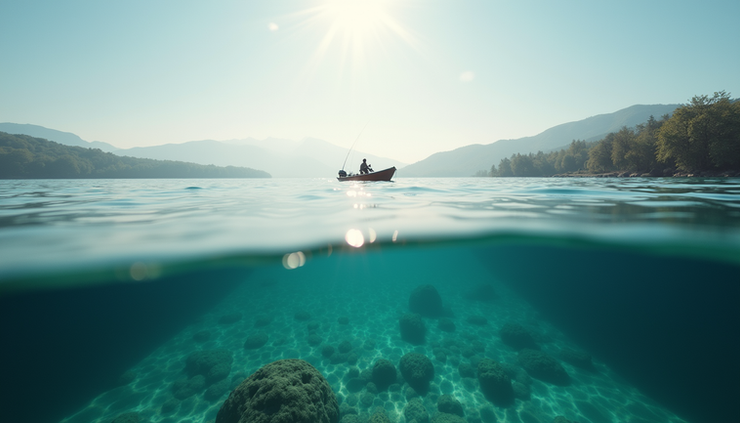
Understanding Fish Behavior at Depth
Fish behavior changes with water temperature, light, and food availability. Walleyes tend to move deeper during warmer months or bright daylight to stay in cooler, darker water. Sunfish often stay shallower but can move deeper when feeding or avoiding predators.
Walleyes at 21-24 feet: These depths offer cooler temperatures and often have structures like drop-offs, humps, or submerged vegetation where walleyes hunt.
Sunfish at 12-14 feet: Sunfish prefer areas with cover such as submerged logs, rocks, or weed edges. They feed on insects and small baitfish in these zones.
Knowing these preferences helps you choose the right spots and techniques.
Choosing the Right Gear for Deep Fishing
Fishing at 21-24 feet for walleyes and 12-14 feet for sunfish requires gear that can reach and present bait effectively at those depths.
Rod and Reel Setup
Use a medium to medium-light rod for sunfish to feel subtle bites.
For walleyes, a medium-heavy rod with a sensitive tip helps detect strikes at depth.
Spinning reels with smooth drag systems work well for both species.
Line and Leader
Use 6-8 lb test line for sunfish to avoid spooking them.
For walleyes, 8-12 lb test line balances strength and sensitivity.
Fluorocarbon leaders help reduce visibility in clear water.
Terminal Tackle
Slip bobbers or bottom bouncers help keep bait at the right depth.
Use small jigs, live minnows, or soft plastics for walleyes.
For sunfish, small hooks with worms or crickets work best.
Techniques for Catching Walleyes at 21-24 Feet
Walleyes at these depths often relate to structure and feed during low light periods. Here are some effective methods:
Vertical Jigging
Drop a jig tipped with a minnow or soft plastic straight down.
Use slow, steady lifts to mimic injured prey.
Watch your line for subtle taps indicating a bite.
Casting and Retrieving
Cast near drop-offs or rocky points.
Retrieve slowly with occasional pauses to trigger strikes.
Use crankbaits or spinner rigs that dive to the target depth.
Drift Fishing
Drift over deep structure with a bottom bouncer rig.
Keep your bait just off the bottom to attract walleyes.
Adjust drift speed to maintain control and cover more water.
Techniques for Catching Sunfish at 12-14 Feet
Sunfish at these depths often stay near cover and feed actively. Try these approaches:
Slip Bobber Fishing
Set your slip bobber so the bait hovers just above weeds or rocks.
Use live bait like worms or crickets.
Watch the bobber for quick dips or pauses signaling a bite.
Drop Shot Rig
Use a drop shot rig with a small soft plastic or live bait.
Keep the bait suspended off the bottom near cover.
Gently twitch the rod tip to create lifelike movement.
Casting Small Jigs
Cast small jigs near submerged logs or rocky areas.
Use slow retrieves with occasional twitches.
Sunfish often strike during the jig’s pause.
Finding the Best Spots on the Lake
Locating the right spots is key to success. Use these tips to find where walleyes and sunfish hold at their preferred depths:
Look for underwater structures like humps, points, and drop-offs.
Use a fish finder to identify schools or individual fish at depth.
Check water temperature and clarity; walleyes prefer cooler, clearer water.
Observe local fishing reports or talk to other anglers for current hotspots.
Seasonal Considerations
Depth preferences can shift with the seasons:
In spring and fall, walleyes may move shallower to spawn or feed.
Summer often pushes walleyes deeper to cooler water.
Sunfish move deeper during hot summer days but may come shallower in early morning or late evening.
Adjust your tactics based on seasonal patterns and daily weather conditions.
Safety and Environmental Tips
Always wear a life jacket when fishing from a boat.
Follow local fishing regulations, including size and bag limits.
Use barbless hooks or practice catch and release to protect fish populations.
Avoid disturbing underwater vegetation and habitats.
Final Thoughts on Deep Water Walleye and Sunfish Fishing
Targeting walleyes at 21-24 feet and sunfish at 12-14 feet requires the right gear, techniques, and knowledge of fish behavior. Focus on structure, use appropriate rigs, and adjust your presentation to the conditions. With patience and practice, you’ll increase your chances of landing these fish in their deep-water zones.
When summer hits its hottest stretch, the best bite often happens before most people finish their first cup of coffee. If you want consistent walleyes and sunfish in the heat of the summer, set the alarm and get on the water early to beat the heat—and the boat traffic.Overnight, the water cools a bit and oxygen levels are usually better. Baitfish move shallow to feed, and predators follow. By late morning, bright sun and warming surface temps push fish deeper or tighter to cover.
Quick plan for walleyes (first light to mid-morning)
1) Start shallow, then slide deeperQuick plan for walleyes (first light to mid-morning)
1) Start shallow, then slide deeper
First light: check shallow edges, weedlines, and the top of breaks.
After sunrise: move to the first main break and deeper structure.
2) Keep it simple
Work along points, humps, and inside turns.
If you’re marking fish but not getting bites, slow down and make a second pass.
3) What to say in the post (easy, non-technical) “Walleyes will feed early, then back off as the sun gets high. I start shallow at first light, then follow them out to the first break once the lake brightens up.”
Quick plan for sunfish (early morning is prime)
1) Target shade + cover
Early: shallow weeds, docks, and pockets.
As it brightens: thicker weeds or slightly deeper edges.
2) Fish slower than you think Sunfish will peck—pause a second before you set the hook.
3) What to say in the post “Sunfish love calm, early water. I look for weeds and shade, then slow down and let them commit.”
Simple closing
If you’re fishing in the heat of summer, don’t fight the sun—fish ahead of it. Get out early, cover water, and adjust deeper as the day warms up.
Want me to drop this into your current blog draft and tailor it to the depths you mentioned (21–24 ft for walleyes and 12–14 ft for sunfish)?
Walleyes will feed early, then back off as the sun gets high. I start shallow at first light, then follow them out to the first break once the lake brightens up.”
Quick plan for sunfish (early morning is prime)
1) Target shade + cover
Early: shallow weeds, docks, and pockets.
As it brightens: thicker weeds or slightly deeper edges.
2) Fish slower than you think Sunfish will peck—pause a second before you set the hook.
3) What to say in the post “Sunfish love calm, early water. I look for weeds and shade, then slow down and let them commit.”
Simple closing
If you’re fishing in the heat of summer, don’t fight the sun—fish ahead of it. Get out early, cover water, and adjust deeper as the day warms up.
Want me to drop this into your current blog draft and tailor it to the depths you mentioned (21–24 ft for walleyes and 12–14 ft for sunfish)?

Comments